Elon Musk has revealed a bold SpaceX plan to send an Nvidia powered AI system into orbit. The first launch is now planned for the fourth quarter of 2027, but the bigger goal could be far more ambitious.
SpaceX and Nvidia prepare for orbital AI
As reported by The Hindu Business Line, SpaceX and Nvidia are collaborating on a space ready version of Nvidia’s Vera Rubin NVL72 platform, designed for deployment in orbit. Elon Musk the initial system is expected to be launched during the fourth quarter of 2027. He also said the project could grow at a much larger scale in 2028. The system is being built for SpaceXAI, which is expanding the AI infrastructure used for Grok. The plan also includes a first-generation Starmind AI satellite. The goal is simple in idea, even if it is hard in practice.
Nvidia’s Vera Rubin platform is designed to handle heavy AI work. The space version will be changed to meet the demands of orbit. That includes power, cooling, data links and reliability in a very different setting. The companies also want one software system across Earth and space. Musk has described the new design as simpler, lower-cost, denser and lighter than a normal rack.
Why SpaceX wants AI in space
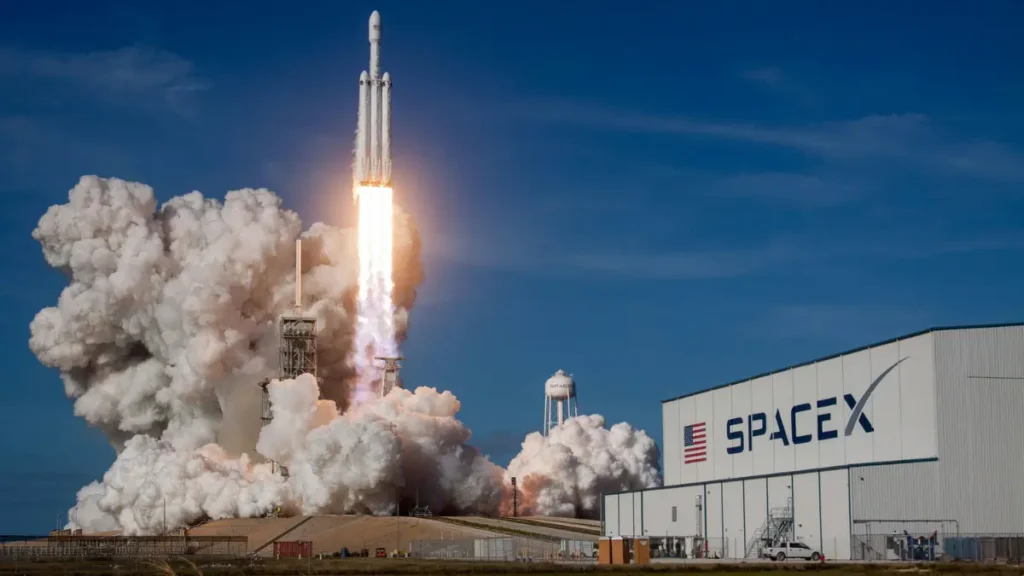
The first Starmind AI1 satellites are now targeted for the fourth quarter of 2027, with a major scale up planned in 2028. SpaceX had earlier set out a 2028 target in its own filing, so the new date brings the plan forward. Solar power is available for long periods, and the systems would not need land like large sites on Earth. SpaceX also hopes its Starship rocket can lower the cost of sending large amounts of equipment into orbit.
There is still a lot to prove. AI hardware creates a great deal of heat. On Earth, data centres can use air, water and large cooling systems. In space, there is no air around the machine to carry heat away. The system must lose heat through radiation. That makes the design more complex. SpaceX also faces questions over regulation and scale.
Nvidia chips to power the next stage
Nvidia’s Vera CPUs will support agentic AI tasks for SpaceXAI. These tasks include using tools, running code, processing data and handling complex steps. The first Starmind satellite is expected to use an optimized Vera Rubin NVL72 system. SpaceXAI wants to expand its AI computing base on Earth while testing what can be done in orbit.
Musk’s new 2027 timeline is earlier than the “as early as 2028” date in SpaceX’s own filing. That difference matters because a target from Musk is not the same as a completed launch schedule for a project that still needs testing and approval. For now, the idea remains one of the most unusual parts of the AI race. If the first mission works, computing could spread beyond traditional buildings and into orbit. But the real test will come when the hardware has to work there for real.
Author’s Opinion
The idea sounds like science fiction, but the push is real. SpaceX and Nvidia have the money, hardware and launch systems to test it. Still, space is unforgiving. A 2027 launch would be a major venture for both the businesses, not the end of the story.
READ MORE: Meta spends hundreds of millions on Microsoft AI every year.
ALSO READ: Meta CEO Zuckerberg buys Irish castle in €30m deal.
READ NEXT: Apple accidentally reveals unreleased products in software leak.