

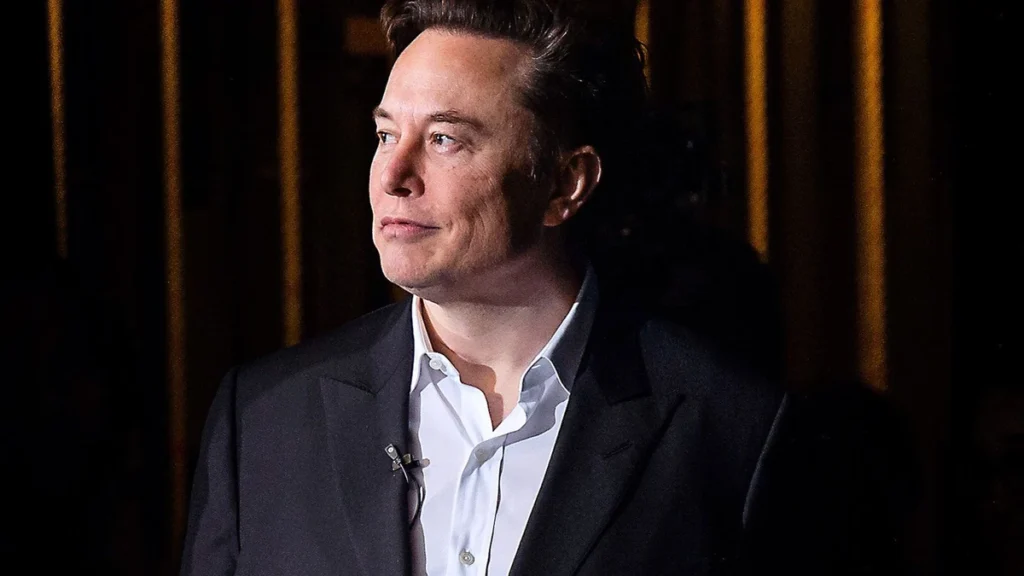
Elon Musk’s Starlink launch in India has become a fresh source of tension. The satellite internet service is still waiting to begin full operations, and Musk is claiming that there is an outside interference which have brought new attention to the delay.
Elon Musk claims put Starlink’s India launch in focus
As reported by CNBC, Starlink, owned by Musk’s SpaceX, aims to provide internet through satellites. The service could help people in remote locations where mobile networks and cable connections are weak or hard to access. However, its entry into India has faced delays as the company works through rules and approvals.
Musk has raised concerns about the role of powerful business interests in Starlink’s delayed entry into the Indian market. His claims have added to a wider debate about fair competition and the influence of major firms in the country’s telecom sector.
The allegations have drawn attention because India is a large market for internet services. Millions of people use mobile data every day, while some rural and remote areas still face gaps in access. Satellite internet could offer another way to connect these users, but it must meet India’s rules before it can start its service.
Why the launch matters for India’s internet market
The company’s proposed entry comes as India’s telecom firms expand their networks and compete for users. Reliance Jio and Bharti Airtel are major players in this market. Both have also taken steps linked to Starlink’s plans for satellite internet in India.
The dispute has drawn attention to the challenges Starlink faces as it seeks approval to operate in India. Satellite services must meet national rules on security, licences and the use of radio frequencies. These checks matter because the service would cover a wide area and use space-based equipment to connect users.
Musk’s claims about interference have added a political and business angle to the debate. Still, the claims should be treated as allegations unless supported by clear evidence. At the same time, Starlink will need to show that its service can meet local rules and offer prices that Indian users can afford. Satellite internet equipment and monthly plans can cost more than common mobile data services. That may limit demand, even if the service receives approval.
What is next for Elon Musk and Starlink?
The delay has raised wider questions about how India handles satellite internet, competition and the role of large business groups. The government must enforce its rules fairly while allowing new services to enter the market if they meet the required standards. For now, Starlink’s plans remain tied to the approval process and the conditions set by Indian authorities.
The next steps will matter for both SpaceX-owned Starlink and India’s wider internet market. Clear rules and open decisions could help firms understand what they must do to enter the market. They could also give users a better idea of when new services may become available. India has a chance to widen internet access through satellite technology. But the launch must follow the law, and claims of unfair treatment need evidence.
Author’s Opinion
Starlink could help people who still lack steady internet access. But a smooth launch needs more than a public row between business leaders. Clear rules, fair treatment and proof behind serious claims matter most. Indian users should be the main focus of this debate.
READ MORE: Apple tightens Mac access rules as AI agent risks rise.
ALSO READ: Ninja Theory layoffs begin as Microsoft weighs studio’s future.
READ NEXT: Meta drops Virtue AI in surprise shake-up of AI safety.




Comments
0Be the first to join the discussion.