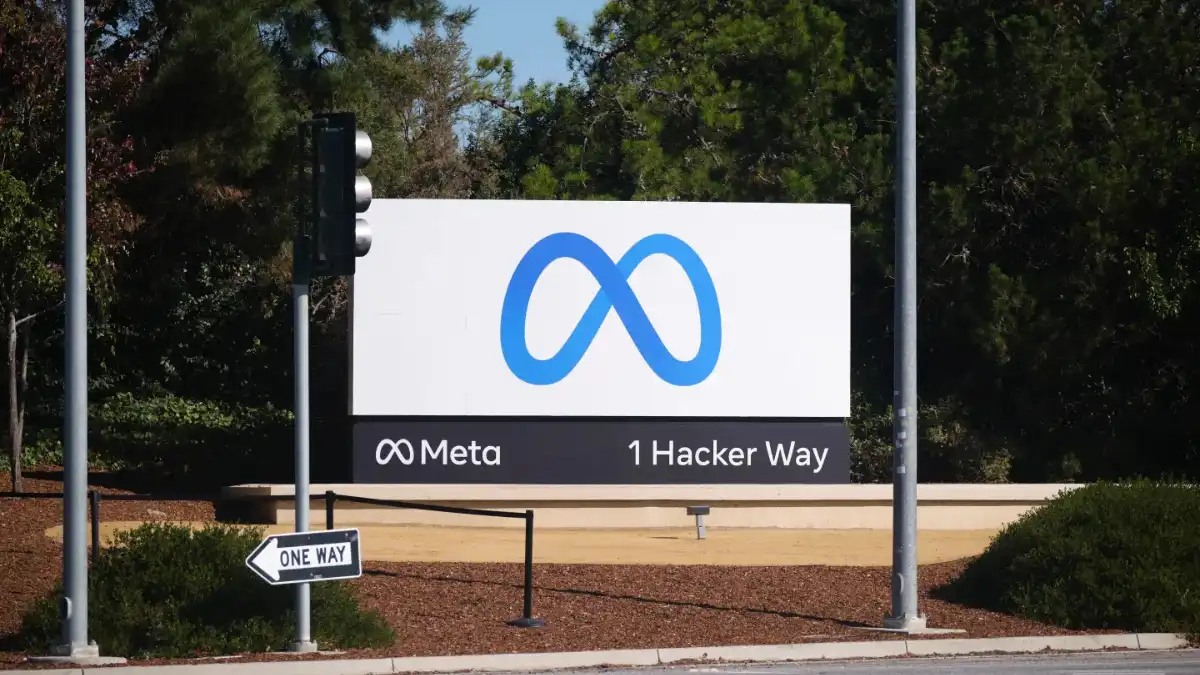
Meta has won an early legal battle over claims that artificial intelligence helped decide who would lose their jobs. While the lawsuit is far from over, the first court ruling has gone in the company’s favour. The case is now raising bigger questions about AI and the future of workplace decisions.
Judge allows Meta layoffs to continue
As reported by Reuters, a US judge refused to stop Meta from moving ahead with layoffs affecting 26 employees who claim they were unfairly selected by AI-powered systems. The workers had asked the court for an emergency order to pause the job cuts while their legal case moved forward. Judge William Orrick ruled that the employees had not shown the level of immediate harm needed for such an emergency order. Because of that, the layoffs were allowed to continue while the wider dispute moves into private arbitration. The judge did not decide whether Meta broke any laws. Instead, he only ruled on the request to temporarily stop the layoffs.
As reported by Firstpost, the ruling gives Meta an important early win, but it does not end the legal battle. The judge also noted that the workers had raised serious questions about the company’s actions. He said the court could reconsider the matter if stronger evidence about AI’s role is presented later. Meta has denied the claims and says that people, not AI, made the final decisions during the layoff process. The company has not admitted any wrongdoing.
Workers face a difficult task
The lawsuit highlights a growing problem for employees who believe AI has influenced workplace decisions. Despite the use of such technologies being conducted backstage, it is still difficult to show precisely how it affected the final decision made by the employer. Workers claim that Meta had several internal technologies to evaluate the performance and rank its employees while making layoffs. Some technologies may have negatively discriminated against disabled people and those on sick or family leave, as their absence resulted in poor performance ratings and led to job losses.
As reported by The Economic Times, legal experts say these kinds of cases may become more common as companies adopt AI across different parts of the workplace. However, proving exactly how an AI system was used remains one of the biggest challenges. Much of the evidence stays inside the company, while many employment disputes are handled through private arbitration instead of public court hearings.
Bigger questions about AI at work
The case is now being closely watched by lawyers, employers and technology experts. It could help shape how future lawsuits involving AI are handled. If the employees later produce stronger evidence, the court may take another look at the issue.
For now, Meta has cleared the first legal hurdle. The layoffs can continue, but the wider dispute is still alive. The impending arbitration will provide insight on the way major corporations make use of AI and the legal constraints. Regardless of the decision, this case has opened an important debate regarding the issues of ethics and transparency and the role of AI in employment practices.
Author’s Opinion
AI enables organizations to function more quickly, however, major decisions need to be transparent and unbiased. The current scenario demonstrates that both parties need to build trust as much as implement new technologies.
READ MORE: SpaceX aborts Starship launch seconds before liftoff.
ALSO READ: SpaceX’s Starlink is coming to Frontier flights in 2027.
READ NEXT: Meta sued: Did AI target sick and pregnant employees?