

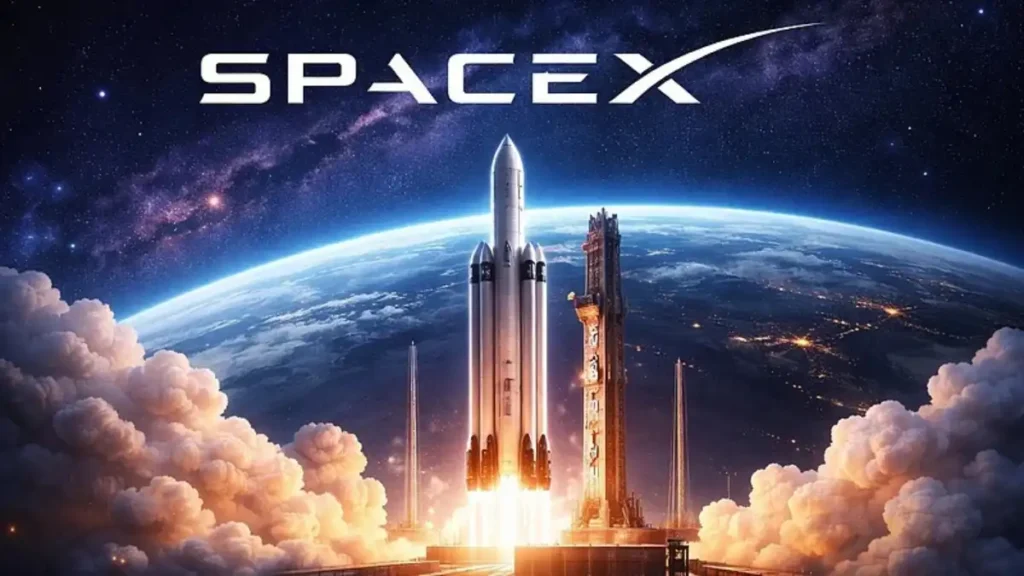
SpaceX is changing its priorities. The company once helped NASA regain its ability to send astronauts into space. Now, Elon Musk’s growing interest in AI could change that relationship.
SpaceX and NASA: A partnership that is changing
As reported by Finance BigGo, NASA and SpaceX worked closely for years. NASA gave the young company key contracts and funding. In return, SpaceX built rockets and spacecraft at a lower cost. Its Falcon 9 rockets now carry crews, cargo and satellites. Crew Dragon also gives the United States a way to send astronauts to the International Space Station without relying on Russia.
But the balance has changed. SpaceX is now a major force in the space industry. The company has told NASA that it plans to stop flying Crew Dragon by 2030 or earlier. It has also told firms working on small lunar landers that it will not provide launch services for their missions. This marks a major change for an agency that has come to depend on its private partner.
AI becomes the bigger business for SpaceX
The main reason for the shift is money and a new business goal. SpaceX sees much of its future income coming from artificial intelligence. Its plans include large data centres and computing systems that can support AI models. Its Memphis project, known as Colossus, is one part of this push. SpaceX is moving away from some outside launch work. It has stopped seeking certain commercial Falcon 9 launch deals and is looking towards its own needs.
This change does not mean that SpaceX is leaving space. Instead, it wants to use its rockets and satellite network for its own plans. Starship is central to that goal. The huge rocket is being built for frequent flights to the Moon, Mars, and the possible launch of large amounts of equipment. SpaceX plans to retire Crew Dragon by 2030 and stop selling commercial Falcon 9 launch services after 2028.
What this means for NASA
The shift could make NASA’s work harder. The agency relies on Crew Dragon to carry astronauts to the space station. It also chose Starship to serve as a human lander for its Artemis Moon programme. If SpaceX gives less time and money to these projects, NASA may face delays or have to find other partners. There are still reasons not to assume the worst. SpaceX says it is working on the lunar lander. NASA officials have also said the company remains committed to the work.
NASA can look to other firms, including Blue Origin, but building a second reliable option will take time. The agency also faces pressure to return people to the Moon while other nations, especially China, advance their own plans. SpaceX’s rise once gave NASA a strong partner. Its new focus may now force the agency to rethink how much it depends on one company. For now, both sides still have duties under existing agreements, and some shared goals remain.
Author’s Opinion
SpaceX has every right to explore new business opportunities. However, its growing role in America’s space programme makes this shift important. NASA should not have to depend too heavily on one private company for its most important missions.
READ MORE: Apple breaks Mac tradition with $2,899 MacBook Pro.
ALSO READ: Microsoft offers 60,000 employees an exit package as AI costs rise.
READ NEXT: Apple iPhone Duo buyers report cracked displays days after launch.




Comments
0Be the first to join the discussion.