


Tesla’s Cybertruck was meant to change the pickup market. But sales have fallen well short of Elon Musk’s early goals. Now, Tesla plans to wind down production in Texas in 2027 and give more room to its Cybercab robotaxi.
A bold plan meets weak demand
As reported by Investing, Tesla will wind down Cybertruck production at its Texas Gigafactory around the middle of 2027. Musk announced the plan on November 6. He said the move would allow the plant to make more Cybercabs for its self-driving plans. This is a major change for a vehicle once seen as a rival to regular pickups. Tesla began handing over Cybertrucks to buyers in late 2023. Yet demand has stayed far below the company’s early target.
Musk had predicted annual sales of 250,000 units. But Kelley Blue Book data cited by Reuters shows Tesla sold 20,237 Cybertrucks in the United States in 2025. That was 48 per cent fewer than the 38,965 sold in 2024. Sales through September 2026 had fallen by a further 28 per cent. The price also became a problem. Musk had once promised a starting price below $40,000. But the first models sold for twice that amount or more.
Why the Tesla Cybertruck struggled
The Cybertruck drew attention from the day it was shown in 2019. Its sharp shape and steel body looked unlike most trucks on the road. Some liked it. Others found it too strange. Its launch event also hurt its image. Musk tried to show that the windows were strong by having a metal ball thrown at them. The glass cracked during the test. The clip spread online.
The truck faced safety and market limits. That Tesla had issued 11 recalls since sales began. Its sharp edges and heavy build also made approval in Europe difficult because of rules on pedestrian safety. Price and demand were not the only issues. Musk’s political role also turned some buyers away. Some owners no longer wanted that link. Still, not every buyer disliked the truck. Some owners remain loyal to it.
What is the next big bet for Tesla?
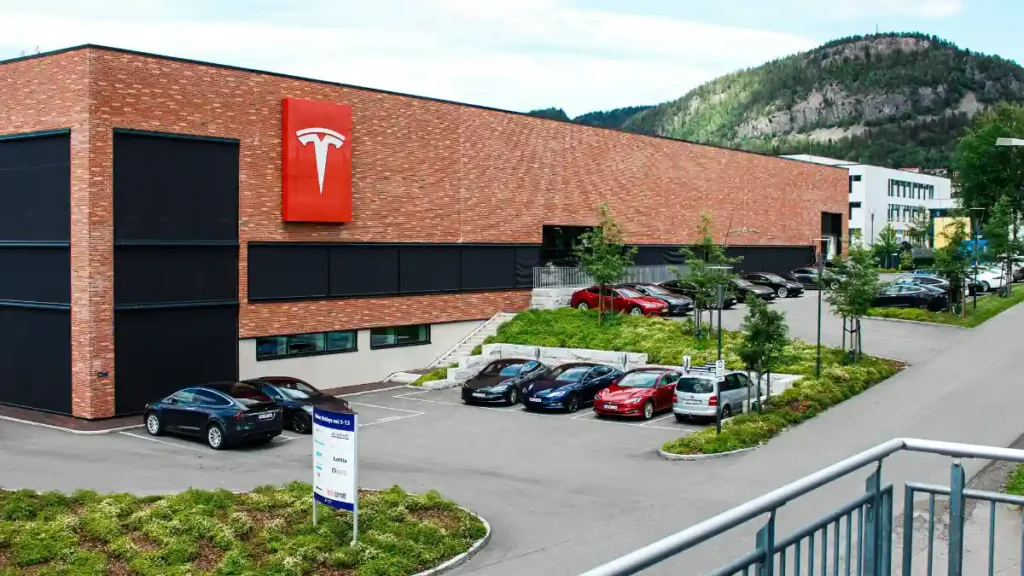
Musk says the Cybercab will take the space freed up by the Cybertruck. The two-seat robotaxi has no steering wheel, pedals or mirrors. Tesla wants a self driving taxi network. Tesla began paid Cybercab rides with a small fleet in Austin in September. But the project still faces checks from US safety officials. The National Highway Traffic Safety Administration opened an audit into the basis for the vehicle’s safety certification.
The Cybercab remains in early development. It is not yet clear whether demand for robotaxis will grow fast enough to make up for the Cybertruck’s lost sales. Tesla has listed capacity for more than 125,000 Cybercabs, but current use remains limited. Tesla is putting more focus on autonomy and robotics, even as its electric vehicle business faces stronger rivals. The Cybertruck may not vanish at once, but its role in the company is set to shrink.
Author’s Opinion
The Cybertruck’s story shows that a bold design and a famous name cannot guarantee success. Tesla now needs to prove that its robotaxi plans can attract real customers. The shift may be sensible, but the Cybercab still has much to prove.
READ MORE: Meta offers employees huge exit package as 100 jobs face uncertainty.
ALSO READ: Apple cuts AI budgets as spending costs rise.
READ NEXT: Google Gemini 4 Carbon claims No. 1 spot in AI rankings.



Comments
0Be the first to join the discussion.